

The paediatric wards of Tamale Eye Hospital in northern Ghana saw a week of focused, lifechanging work in late September as a team of international eye surgeons carried out complex procedures on children born with vision impairments. Led by Dr KV Ravishankar and Dr Uma Ravishankar of the Rotary E Club of Bangalore (D3191), the surgical mission formed part of a long standing global effort to prevent childhood blindness. The Ravishankars, both ophthalmic surgeons based at Usha Kiran Eye Hospital in Mysore, India, were joined by Dr Luxme Hariharan from Madison, Wisconsin, USA. Between 21 and 27 September 2025, the team performed 36 eye surgeries on 28 young patients suffering from cataracts, squints and droopy eyelids. Without this intervention, these children would have faced a future of unnecessary blindness.
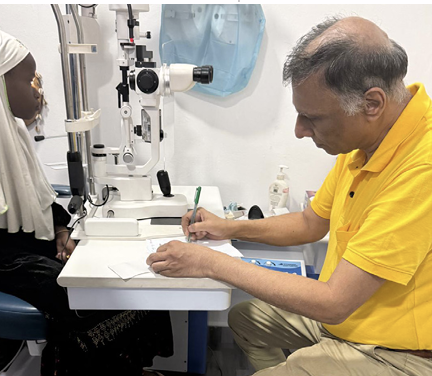
Though resources are scarce and challenges persistent, missions like these, show what can be achieved when service meets strategy and when visionaries come together to restore sight itself. Dr KV Ravishankar makes notes after examining a young patient.
This was the 28th overseas mission for the team, who continue to serve under-resourced communities in India and abroad. Across three decades, their outreach has extended to Zambia, Nigeria, Guinea, Kenya and The Gambia, including service on board Mercy Ships. Their work has also reached Latin America and Bangladesh. Support came from a wide network of Rotary clubs, Rotarians and partner organisations. Indian clubs included the Rotary E-Club of Bangalore, Rotary Bangalore Abilities and the Rotary Club of Ivory City in Mysore. Rotarians and clubs from the United Kingdom, United States, Canada, Channel Islands, Portugal and several African countries also contributed. The Accra Industrial and Rotary Premier International clubs hosted the team and provided on-the-ground support. Additional backing came from Global Sight Solutions, Rotary Doctors Bank UK and Combat Blindness International. Friends and colleagues from India and the United States also supported the mission, with some choosing to remain anonymous. The team’s commitment to eye health has resulted in more than 2,500 procedures performed during 28 visits to Africa. In India, they have conducted over 100,000 surgeries, with every third operation provided at no cost to the patient. Working abroad presents logistical and infrastructural challenges, yet the motivation remains the same. “We are overwhelmed after every visit,” said Dr Ravishankar. “There are always more children who need surgical care than we can possibly help.” One mother, whose child regained sight after cataract surgery, was so overcome with emotion that she offered to cook for the entire team. For several missions in Ghana, Rotarians such as Naveen Pandey have hosted the visiting doctors in their homes and treated them like family. The need remains vast. Sub Saharan Africa is estimated to have more than 80 000 children living with preventable or treatable blindness caused by cataracts. “If avoidable blindness were made a primary area of focus by Rotary International and The Rotary Foundation, the impact could be transformative,” said Dr Ravishankar. “This is a global health crisis, and large scale funding is needed to address it at the community level.”
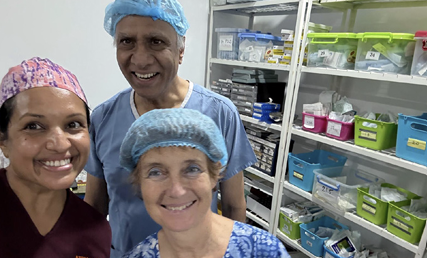
Dr Luxme Hariharan and Dr Judith Simon with Dr Ravishankar (back).
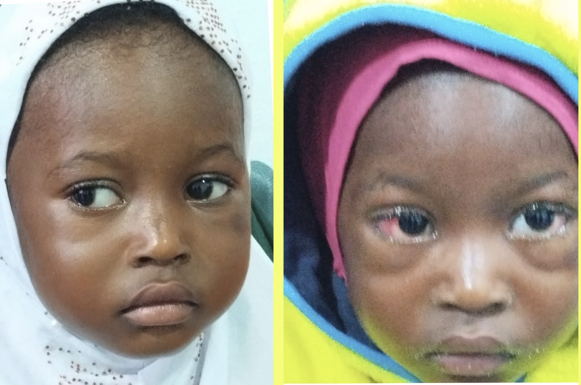
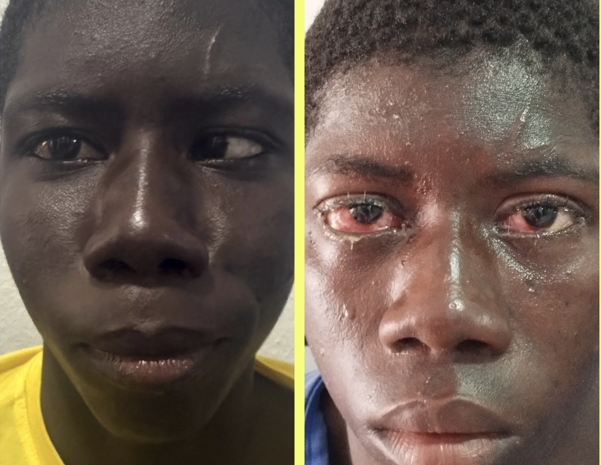
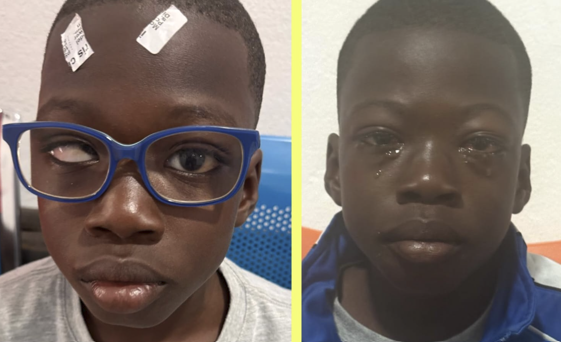
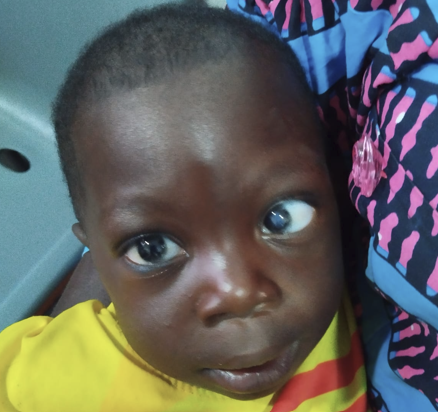
Here are photographs of some of the young people treated.

 THE ROTARY DOCTOR BANK of GREAT BRITAIN and IRELAND.